The Padmavathi Temple, also known as the Alamelu Mangapuram Temple, is a renowned Hindu shrine located in Tiruchanur, near Tirupati in Andhra Pradesh, India. The temple is dedicated to Goddess Padmavathi, the consort of Lord Venkateswara (Balaji), who resides in the famous Tirumala Temple. The history of the Padmavathi Temple is deeply intertwined with the legends and spiritual significance of the Tirupati region.
Mythological Background:
The Birth of Padmavathi: According to Hindu mythology, Goddess Padmavathi is an incarnation of Goddess Lakshmi. The legend goes that she emerged from a golden lotus (Padma) in the sacred Pushkarini (temple tank) at Tiruchanur. The name Padmavathi, meaning “one who emerged from a lotus,” reflects this divine birth.
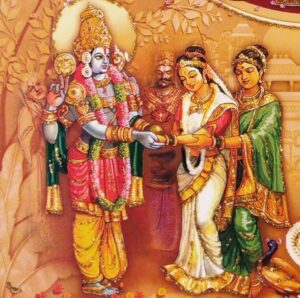
Marriage to Lord Venkateswara: The temple is also significant because it is closely associated with the story of the divine marriage between Lord Venkateswara and Goddess Padmavathi. It is believed that Lord Venkateswara, an incarnation of Lord Vishnu, came down to earth to marry Padmavathi, and their wedding is celebrated annually as the grand “Padmavathi Parinayam” festival. This marriage is considered one of the most sacred unions in Hindu tradition.
Historical Development:
Patronage by Dynasties: Over the centuries, the Padmavathi Temple received patronage from various South Indian dynasties, including the Pallavas, Cholas, and Vijayanagara kings. These rulers contributed to the construction, renovation, and endowment of the temple, ensuring its prominence as a major religious center.
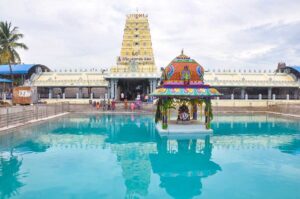
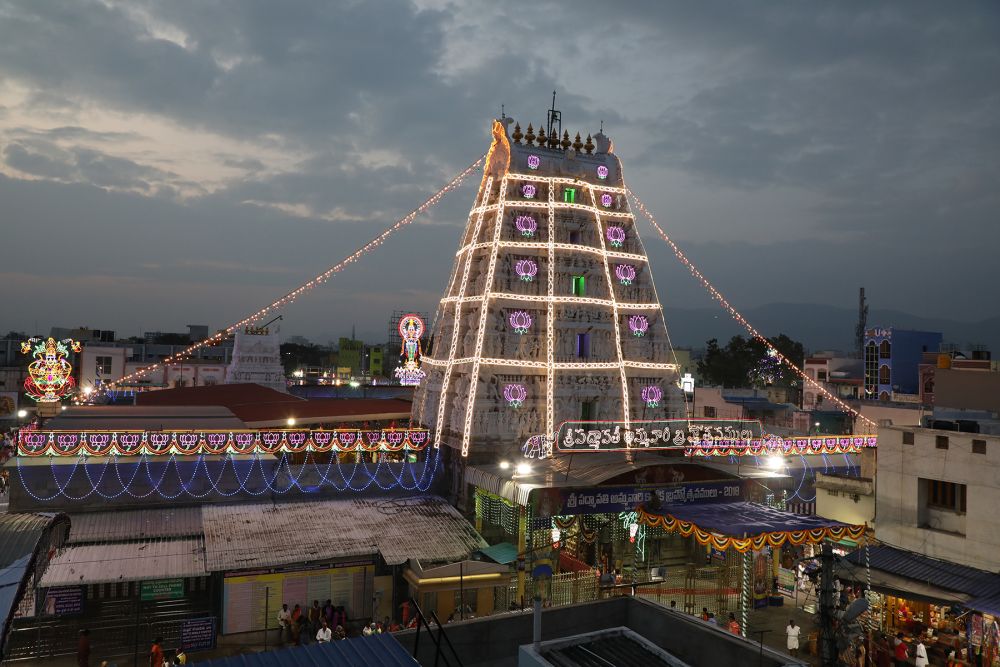
Architectural Features: The Padmavathi Temple is a beautiful example of Dravidian architecture, characterized by its towering gopuram (entrance tower), intricately carved pillars, and spacious mandapas (halls). The temple’s sanctum houses the idol of Goddess Padmavathi, adorned with jewels and silks, reflecting the deity’s royal status. The temple also features a sacred pond, the Padma Sarovaram, where devotees take a holy dip before offering prayers.
Cultural and Religious Practices:
Brahmotsavam: One of the major festivals celebrated at the Padmavathi Temple is the Brahmotsavam, a nine-day event that attracts thousands of devotees. During this festival, special rituals and processions are held, with the deity taken out in various vahanas (vehicles) in a grand parade.
Laksha Kumkumarchana: Another important ritual is the Laksha Kumkumarchana, where thousands of devotees participate in offering kumkum (vermilion) to the goddess, seeking her blessings for prosperity and well-being.
Connection with Tirumala Temple: The Padmavathi Temple is often visited by pilgrims who come to Tirumala for darshan (viewing) of Lord Venkateswara. It is considered auspicious to visit Padmavathi Devi before seeking the blessings of Lord Venkateswara, as she is regarded as the embodiment of compassion and love.
Modern Era:
In modern times, the Padmavathi Temple continues to be a significant pilgrimage destination, drawing millions of devotees annually. The temple is well-maintained by the Tirumala-Tirupati Devasthanams, which oversees its administration and ensures that traditional rituals are followed meticulously.
The temple not only holds immense spiritual significance but also serves as a testament to the rich cultural and religious heritage of South India. The history of the Padmavathi Temple is a story of devotion, divine love, and the enduring legacy of faith that continues to inspire and attract devotees from all over the world.
Early Foundations: The exact date of the temple’s establishment is not clearly documented, but it is believed to have ancient origins, with the temple being a significant site of worship for centuries. The temple has been mentioned in various religious texts and has been a part of the Tirumala-Tirupati Devasthanams (TTD), which manages the Tirupati and Tiruchanur temples.