THE HISTORY OF KANIPAKAM TEMPLE
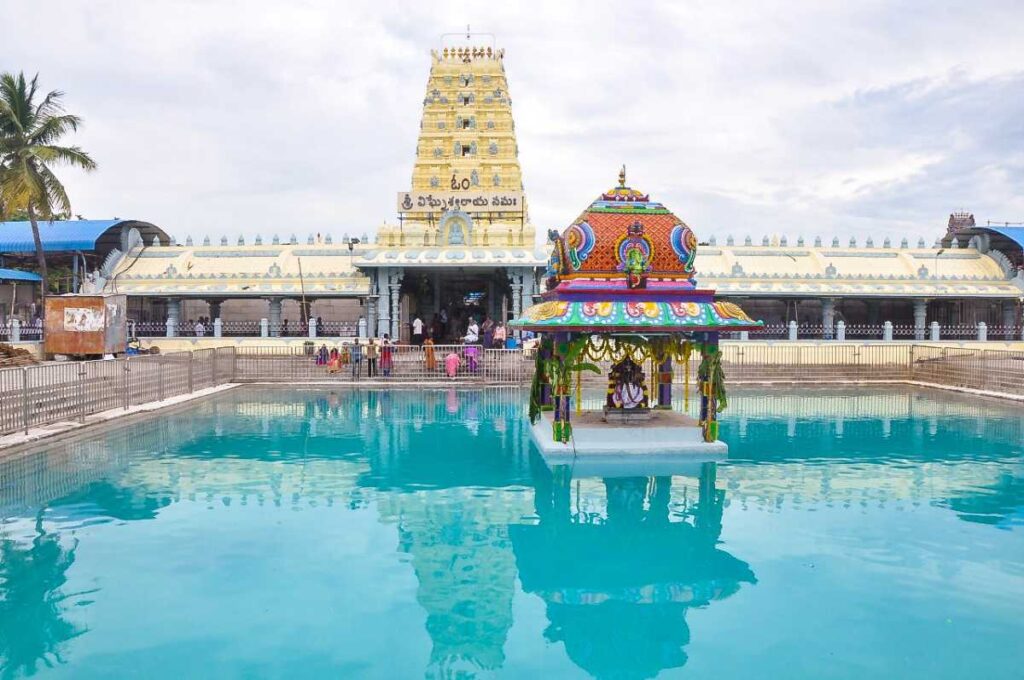
The Kanipakam Temple, also known as the Sri Varasiddhi Vinayaka Swamy Temple, is a famous Hindu temple dedicated to Lord Ganesha. It is located in the village of Kanipakam, near Chittoor in the Andhra Pradesh state of India. The temple is renowned for its rich history, religious significance, and the belief that the idol of Lord Ganesha in this temple is self-manifested (Swayambhu), meaning it emerged from the earth on its own. Historical Background Construction and Origins: The temple is believed to have been constructed during the 11th century by the Chola king Kulothunga Chola I. Over time, it was expanded and renovated by various rulers, including the Vijayanagara Empire kings. Legend and Beliefs: According to the temple’s legend, three brothers who were mute, deaf, and blind were digging a well for water. As they dug, they hit a hard stone, and to their surprise, blood started flowing from it. This miraculous incident led to the brothers being cured of their disabilities. The stone was later found to be the self-manifested idol of Lord Ganesha. The well in which the idol was discovered still exists, and the idol is housed in the temple’s sanctum. Religious Significance: The Kanipakam Temple is considered a sacred pilgrimage site. Devotees believe that the idol of Lord Ganesha here has the power to resolve disputes and grant justice. It is also said that the idol grows in size over time, which is seen as a divine phenomenon. Temple Architecture: The temple’s architecture is reflective of the Dravidian style, characterized by its towering gopuram (gateway tower) and intricately carved stone pillars. The temple complex includes several other shrines dedicated to various deities. Festivals and Rituals Brahmotsavam: The most significant festival celebrated at Kanipakam is the annual Brahmotsavam, which takes place in the month of Bhadrapada (August-September). The festival lasts for 21 days and includes grand processions, special prayers, and various cultural events. Vinayaka Chavithi: Another important festival is Vinayaka Chavithi (Ganesh Chaturthi), where thousands of devotees visit the temple to offer prayers and seek blessings from Lord Ganesha. Modern-Day Relevance The Kanipakam Temple continues to attract devotees from across India and abroad. It is not only a place of worship but also a symbol of the region’s rich cultural and religious heritage. The temple administration has taken steps to preserve and maintain the sanctity of the site while accommodating the needs of the growing number of pilgrims. Overall, the Kanipakam Temple stands as a testament to the enduring faith and devotion of millions who revere Lord Ganesha as the remover of obstacles and the granter of boons.
THE HISTORY OF SRI VENKATESWARA SWAMI
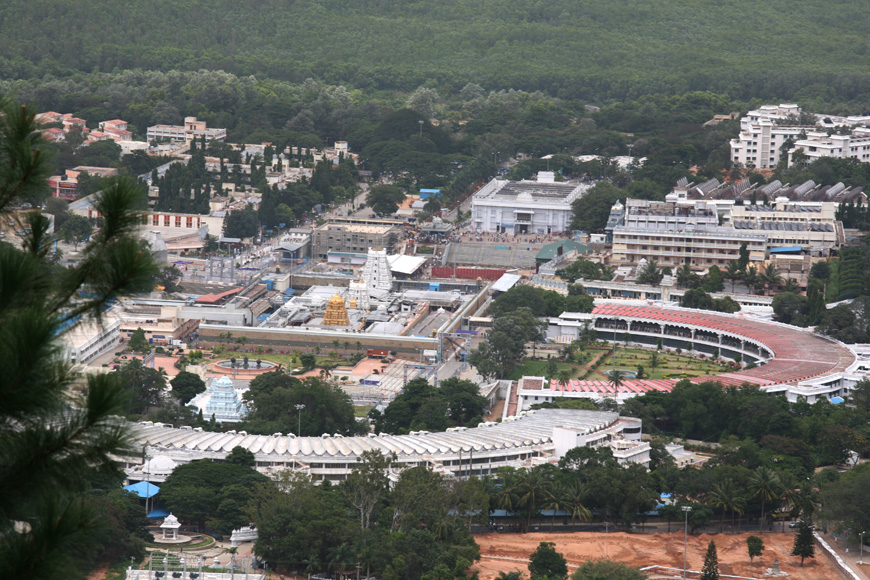
Tirumala Hills and the Tirupati Temple The principal shrine dedicated to Lord Venkateswara is situated on the Tirumala Hills, near the city of Tirupati. This sacred site, known as the Tirumala Venkateswara Temple or Tirupati Temple, stands as one of the most significant pilgrimage destinations in India. The temple’s grandeur and the deity’s divine presence have attracted millions of devotees from across the world, making it a major spiritual and cultural hub. Historical Background Origins and Legends: Mythological Roots: Lord Venkateswara is believed to be an incarnation of Lord Vishnu, one of the principal deities in Hinduism. The legend states that he appeared in the Kali Yuga (the present age in Hindu cosmology) to save humanity from the hardships and troubles of this era. Temple of Tirumala: The main temple dedicated to Lord Venkateswara is located on the Tirumala hills, near the city of Tirupati in Andhra Pradesh. This temple, known as the Tirumala Venkateswara Temple or Tirupati Temple, is one of the most visited pilgrimage sites in India. Historical Significance: Early References: The earliest references to the deity are found in ancient texts and inscriptions. The temple’s history dates back over a millennium, with various dynasties contributing to its development and grandeur. Dynastic Contributions: The Chola, Vijayanagara, and various other dynasties played significant roles in the construction and maintenance of the temple. Their contributions helped establish the temple as a major religious and cultural center. Cultural Impact Religious Importance: Devotional Practices: The deity is widely worshipped by Hindus, who believe that offering prayers and making donations to the temple can bring prosperity and alleviate suffering. Festivals: Major festivals dedicated to Lord Venkateswara include Brahmotsavam, which attracts millions of devotees annually. Other important celebrations include Vaikuntha Ekadashi and Srinivasa Kalyanam. Economic Influence: Donations and Endowments: The Tirumala Temple is known for its substantial economic contributions. It receives significant donations from devotees and has established various endowments for its maintenance and charitable activities. Modern Times Administrative Aspects: Management: The temple is managed by the Tirumala Tirupati Devasthanams (TTD), a trust that oversees the operations, maintenance, and administration of the temple and its associated activities. Preservation and Growth: Conservation Efforts: Efforts are continuously made to preserve the temple’s heritage and accommodate the increasing number of pilgrims. The temple has also embraced modern technology to streamline services and improve the pilgrimage experience. The history of Sri Venkateswara Swami reflects a rich blend of mythology, devotion, and cultural heritage, making him a central figure in the religious landscape of Southern India.
THE HISTORY OF SRI KALAHASTI
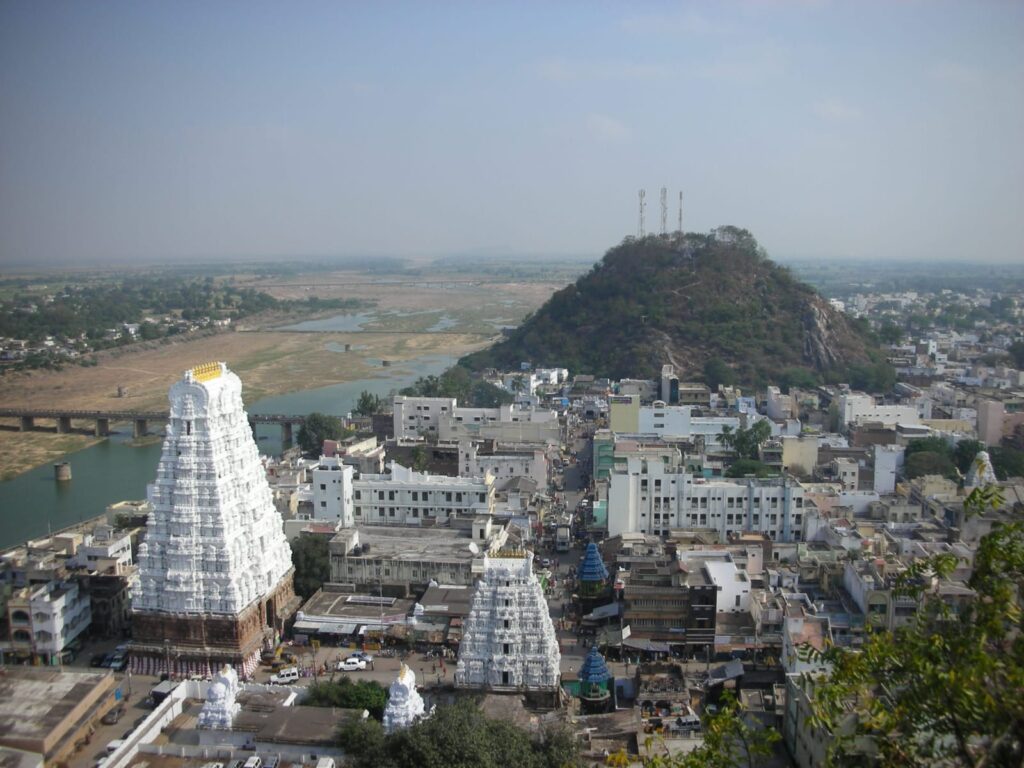
Sri Kalahasti, often referred to as Kalahasti, is a significant temple town located in the Chittoor district of Andhra Pradesh, India. The town is renowned for the Sri Kalahasteeswara Temple, a revered Hindu shrine dedicated to Lord Shiva. The temple is one of the most important in South India and holds a rich history intertwined with mythology and devotion. Detailed Historical and Mythological Context: Mythological Legend: The Story of the Spider, Serpent, and Elephant: According to legend, a spider (Sri), a serpent (Kala), and an elephant (Hasti) worshipped the Shiva Linga at this site. The spider spun a web to protect the Linga from the elements, the serpent placed gems around the Linga, and the elephant bathed the Linga with water from the nearby river. Lord Shiva, pleased with their devotion, granted them salvation and eternal presence in the name of the town, Sri Kalahasti. Kannappa Nayanar: Another popular legend associated with Sri Kalahasti is that of Kannappa, one of the 63 Nayanars (devotees of Shiva). Kannappa, a tribal hunter, offered his eyes to the deity when he saw blood flowing from the Linga, thinking the deity was hurt. His extreme devotion moved Lord Shiva, who restored Kannappa’s eyesight and granted him Moksha (liberation). Historical Timeline: Pallava and Chola Dynasties: The earliest recorded history of the temple begins with the Pallava dynasty (4th to 9th centuries CE), who were instrumental in constructing the initial structures of the temple. The Chola dynasty (9th to 13th centuries CE) further expanded the temple complex, with inscriptions from their period documenting various endowments made to the temple. Vijayanagara Empire: The temple gained prominence under the rule of the Vijayanagara kings, particularly during the reign of King Krishnadevaraya in the 16th century. Krishnadevaraya is said to have constructed the massive gopuram (tower) at the temple’s entrance and made significant donations to the temple, solidifying its status as a major religious site. Architectural Features: Gopuram and Vimana: The temple’s towering gopuram, standing at 120 feet, is an architectural marvel that dominates the landscape. The Vimana (the tower above the sanctum) is another significant feature, intricately carved with depictions of various deities and mythological scenes. Inner Sanctum: The main sanctum houses the self-manifested Linga, which is worshipped as Kalahasteeswara. The sanctum is designed in such a way that even a slight breeze can be felt, symbolizing the presence of the Vayu (air) element. 100-Pillared Hall: The temple also features a 100-pillared hall, constructed during the Vijayanagara period, which showcases the artistic and architectural skills of that era. The hall is adorned with intricate carvings and sculptures that depict various episodes from Hindu mythology. Cultural and Religious Practices: Rahu-Ketu Pooja: One of the unique aspects of Sri Kalahasti is the Rahu-Ketu Pooja, a special ritual performed by devotees seeking relief from the ill effects of Rahu and Ketu in their astrological charts. The temple is considered the best place to perform this pooja, attracting thousands of devotees daily. Festivals: The temple celebrates several important festivals, including Maha Shivaratri, which is marked by grand processions, special rituals, and a large influx of pilgrims. The Brahmotsavam, held annually, is another major festival where the deity is taken on a procession in a chariot around the temple. Cultural Contributions: Kalamkari Art: The town of Sri Kalahasti is also known for its contribution to Kalamkari, an ancient art form of hand-painting on fabric. The designs often depict scenes from Hindu epics and temple architecture, making it a significant cultural export of the region. Modern Era and Tourism: In modern times, Sri Kalahasti has become a popular destination for both pilgrims and tourists. The town’s proximity to Tirupati, another major pilgrimage site, adds to its accessibility and appeal. The temple town also continues to thrive as a center of traditional crafts, particularly Kalamkari, which has gained international recognition. The spiritual aura of Sri Kalahasti, coupled with its rich history and cultural heritage, makes it a significant landmark in the religious and cultural landscape of South India.
THE HISTORY OF PADMAVATHI TEMPLE IN TIRUCHANUR
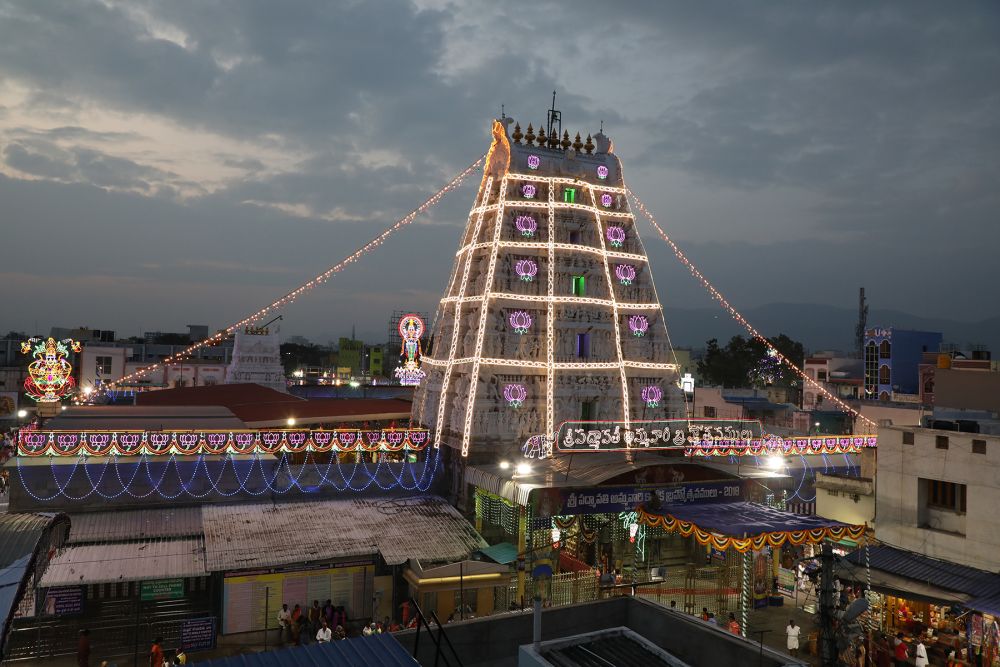
The Padmavathi Temple, also known as the Alamelu Mangapuram Temple, is a renowned Hindu shrine located in Tiruchanur, near Tirupati in Andhra Pradesh, India. The temple is dedicated to Goddess Padmavathi, the consort of Lord Venkateswara (Balaji), who resides in the famous Tirumala Temple. The history of the Padmavathi Temple is deeply intertwined with the legends and spiritual significance of the Tirupati region. Mythological Background: The Birth of Padmavathi: According to Hindu mythology, Goddess Padmavathi is an incarnation of Goddess Lakshmi. The legend goes that she emerged from a golden lotus (Padma) in the sacred Pushkarini (temple tank) at Tiruchanur. The name Padmavathi, meaning “one who emerged from a lotus,” reflects this divine birth. Marriage to Lord Venkateswara: The temple is also significant because it is closely associated with the story of the divine marriage between Lord Venkateswara and Goddess Padmavathi. It is believed that Lord Venkateswara, an incarnation of Lord Vishnu, came down to earth to marry Padmavathi, and their wedding is celebrated annually as the grand “Padmavathi Parinayam” festival. This marriage is considered one of the most sacred unions in Hindu tradition. Historical Development: Patronage by Dynasties: Over the centuries, the Padmavathi Temple received patronage from various South Indian dynasties, including the Pallavas, Cholas, and Vijayanagara kings. These rulers contributed to the construction, renovation, and endowment of the temple, ensuring its prominence as a major religious center. Architectural Features: The Padmavathi Temple is a beautiful example of Dravidian architecture, characterized by its towering gopuram (entrance tower), intricately carved pillars, and spacious mandapas (halls). The temple’s sanctum houses the idol of Goddess Padmavathi, adorned with jewels and silks, reflecting the deity’s royal status. The temple also features a sacred pond, the Padma Sarovaram, where devotees take a holy dip before offering prayers. Cultural and Religious Practices: Brahmotsavam: One of the major festivals celebrated at the Padmavathi Temple is the Brahmotsavam, a nine-day event that attracts thousands of devotees. During this festival, special rituals and processions are held, with the deity taken out in various vahanas (vehicles) in a grand parade. Laksha Kumkumarchana: Another important ritual is the Laksha Kumkumarchana, where thousands of devotees participate in offering kumkum (vermilion) to the goddess, seeking her blessings for prosperity and well-being. Connection with Tirumala Temple: The Padmavathi Temple is often visited by pilgrims who come to Tirumala for darshan (viewing) of Lord Venkateswara. It is considered auspicious to visit Padmavathi Devi before seeking the blessings of Lord Venkateswara, as she is regarded as the embodiment of compassion and love. Modern Era: In modern times, the Padmavathi Temple continues to be a significant pilgrimage destination, drawing millions of devotees annually. The temple is well-maintained by the Tirumala-Tirupati Devasthanams, which oversees its administration and ensures that traditional rituals are followed meticulously. The temple not only holds immense spiritual significance but also serves as a testament to the rich cultural and religious heritage of South India. The history of the Padmavathi Temple is a story of devotion, divine love, and the enduring legacy of faith that continues to inspire and attract devotees from all over the world. Early Foundations: The exact date of the temple’s establishment is not clearly documented, but it is believed to have ancient origins, with the temple being a significant site of worship for centuries. The temple has been mentioned in various religious texts and has been a part of the Tirumala-Tirupati Devasthanams (TTD), which manages the Tirupati and Tiruchanur temples.


